

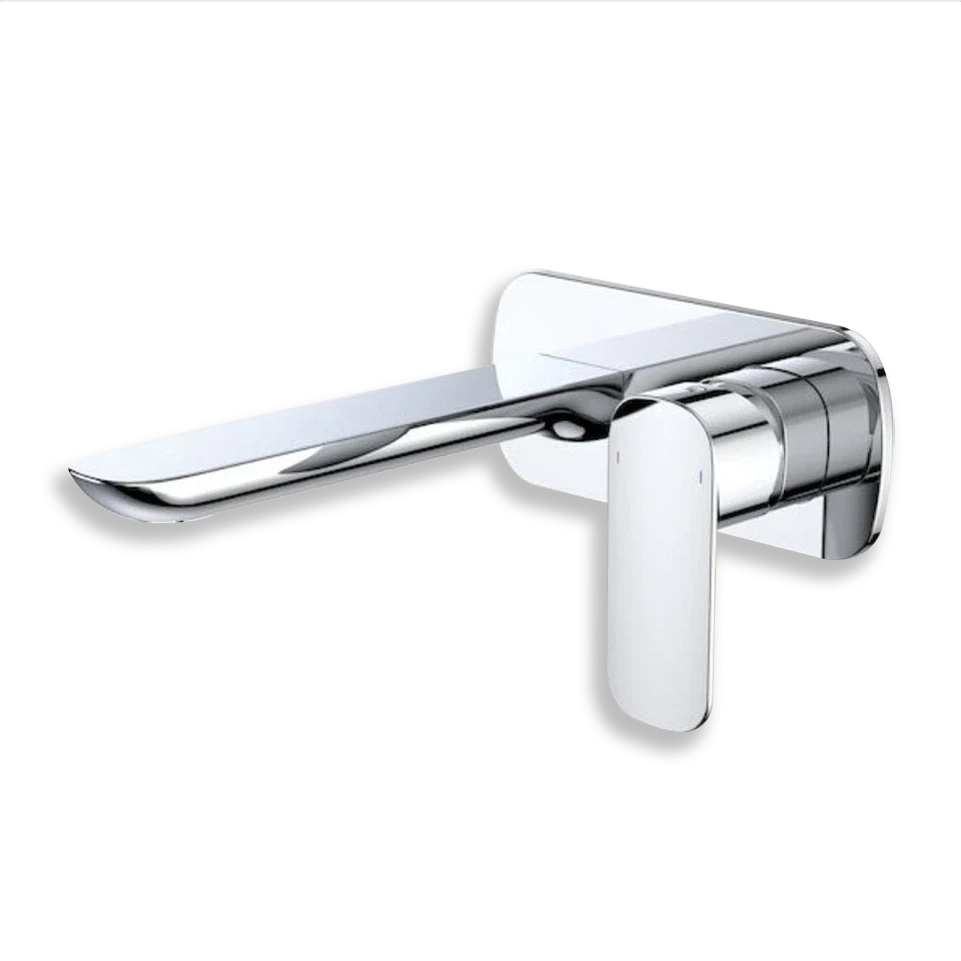
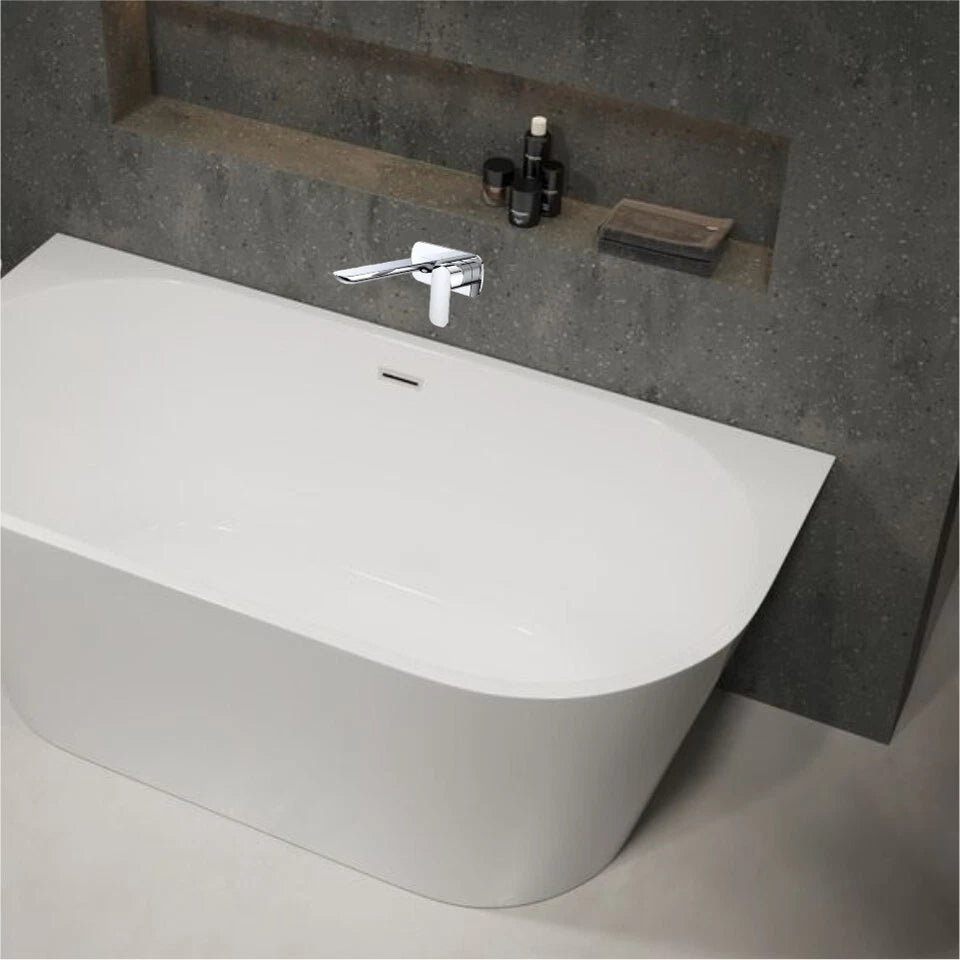

A bath and shower combo is used in many households in Australia in order to conserve space and address various needs. Children will be able to have a bath, and adults can have a quick shower without any additional space. It is a good design that fits small family bathrooms or en-suites. Appropriate planning using appropriate heights, screens, and design rules prevents leaks, keeps water in, and makes them easy to use every day. Elvor Tapwares specializes in products that promote such pragmatic designs.
Why a Bath and Shower Combo Makes Sense
A bath and shower combo is flexible. The bath is used by families as a young children's bath or their relaxation bath. As an adult, one chooses a shower because it is quicker. This saves space as opposed to single fixtures. It fits in a limited space in apartments or old houses. The design also contributes to the resale value since the buyers prefer both designs. When well planned, it becomes comfortable and safe for all.
Minimum Space Requirements
First, check the size of the bathroom. The size of a standard bath must be 1500 mm long and 700 mm wide. Include 900 mm of clearance space before the entry and exit. Overall, aim for about 2400 mm by 1600 mm total area. The taller screens should have a ceiling height of 2400 mm or above. Measure prevailing plumbing to save cost. A combo may not be effective in such a case where the space is small. Take into account the door swing and the vanity position.
Choosing the Right Bath Size
Pick a bath length of 1500 mm to 1700 mm. The size 1600 mm or 1700 mm provides more space to take a shower and stretch during baths. A width of 700 mm to 800 mm works best. The range of depth between 400 mm and 500 mm is comfortable. Acrylic baths melt quickly and cure readily. Enamels made of steel have a longer life and are colder. Internal measurements are checked as rims decrease the available space.
Shower Screen Heights and Types
Screen height matters a lot. Minimum height should be 1400 mm, though 1500 mm to 1800 mm is better to prevent water spray. Certain installations are up to 2000 mm or 2100 mm above the floor. This keeps the floors dry and minimizes puddles.
There are fixed panels that can be used in cramped areas, pivot doors that can be swung out, and sliding doors that can be used to cover wider areas. Frameless or semi-frameless screens are cleaner and have less leakage. Curved screens will provide additional elbow space at a higher price and require additional cleaning. Straight screens are less demanding to maintain.
Correct Showerhead and Tap Placement
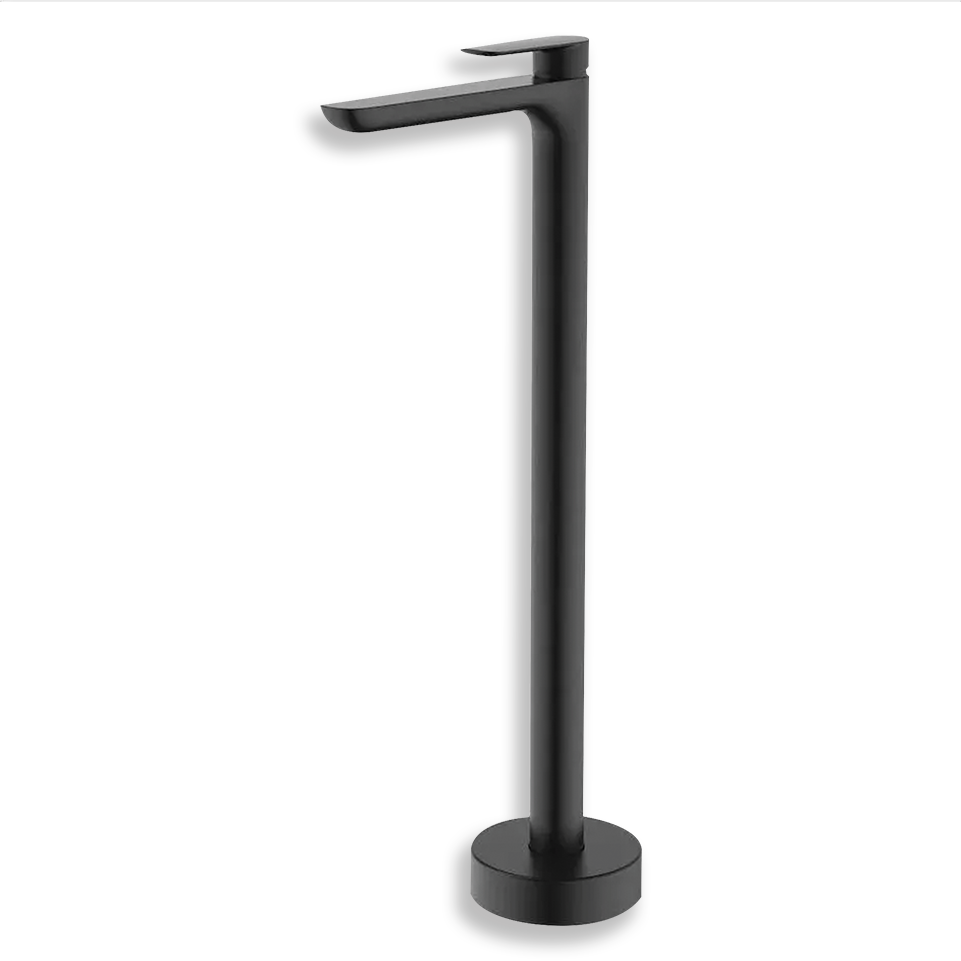
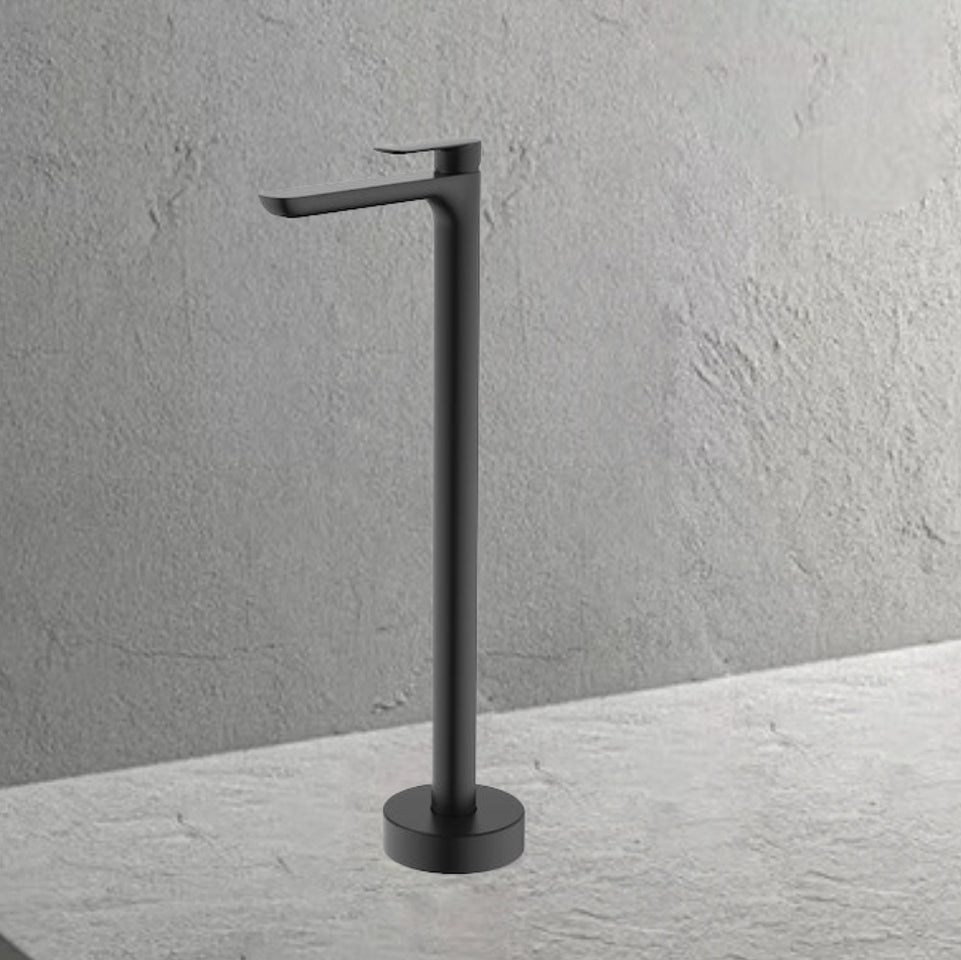
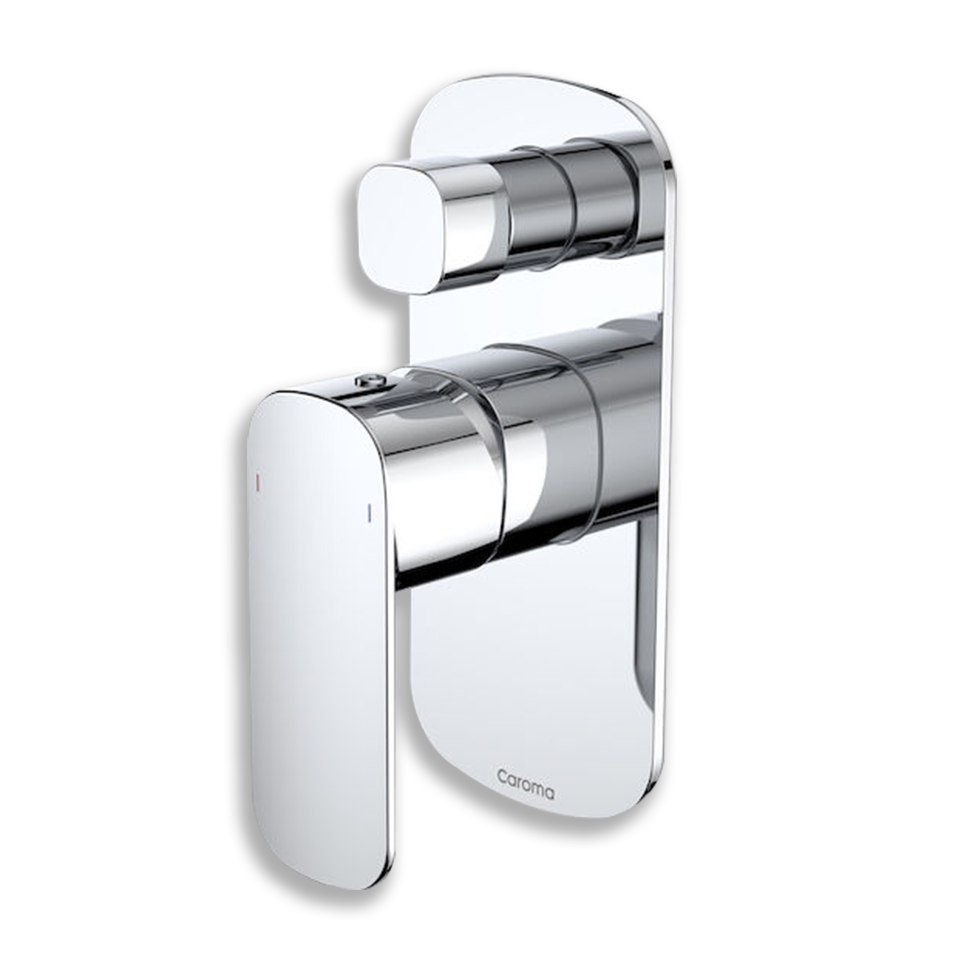
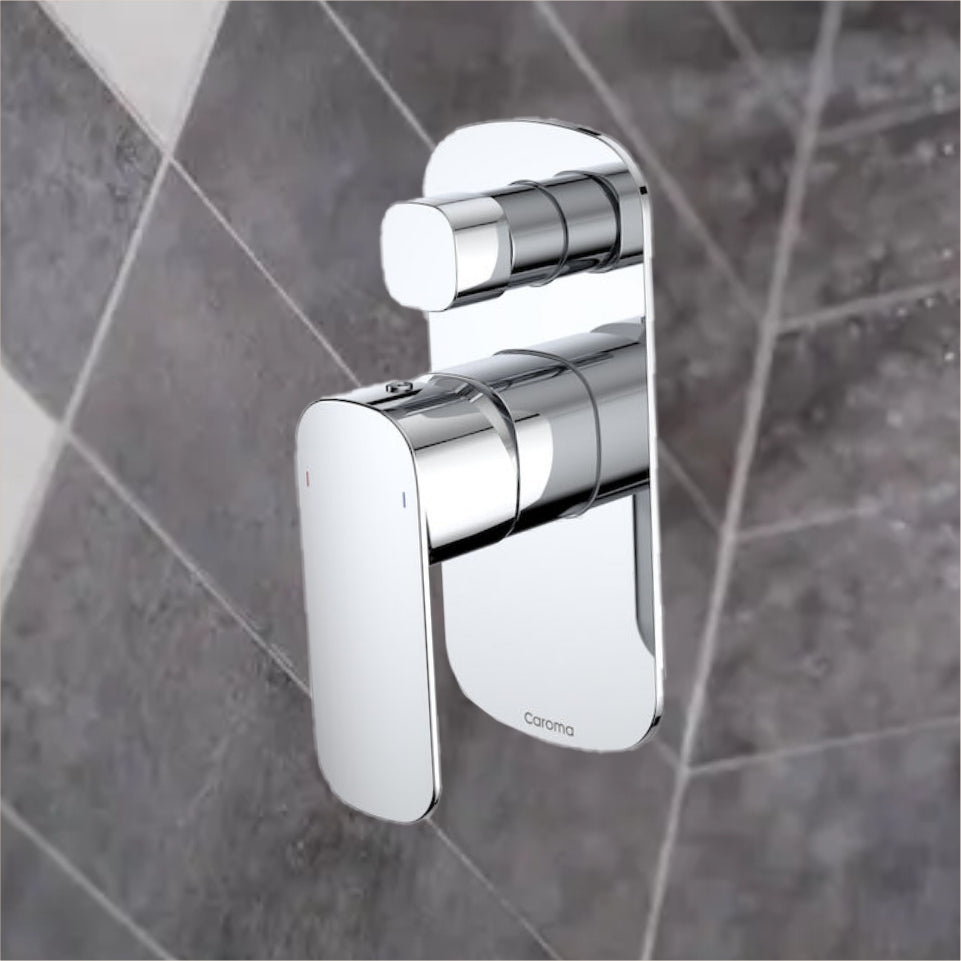
Adjust the position of the showerhead 2000mm above the floor. Taller riders might require an adjustable rail or 2100 mm. Spray is to be directed to the screen, and it should be placed 250 mm away from the back wall. Taps are mounted on the walls at 700 mm. The bath spouts are 150mm to 200mm long. Fill the bath, clean the bath, or play with children using a handheld shower with a fixed head. Diverter valves ensure that there is easy switching between the bath and the shower.
When selecting or renewing your tapware to this arrangement, seek indicators that your existing tapware is going to fail. Read our Signs Your Tapware Needs Replacing and How to Choose a Long Lasting Upgrade guide; to make sure that your new tabs and showerheads work well and last long.
Key Layout Rules to Follow
Take time to design the bath/shower combination. Position the bath on the longest wall. Keep 900 mm clear in front. In corner installs, two screens are used. Wet the floor of the bath with a slight slope to the drain to prevent the accumulation of water. Place the shower at the opposite side of the entrance. Insert storage niches 300 mm wide and 900 mm high on the wall. These are cans holding clutter-free shampoo. Screen Plan tiles to prevent cuts.
Waterproofing and Tile Layout
Follow the Australian regulations of wet zones. Install a waterproof cover 1800mm above the walls and 150mm beyond the side of the bath. Large tiles, such as 300 mm by 600 mm, are used and are laid at right angles to form what appears to be a taller space, and also make cleaning easier. Epoxy grout has a long life in wet places. P3 or P4 slip-resistant tiles around the edge of the bath are also safe. Seal all joints well.
Materials for Baths and Screens
Choose durable materials. Taps and screens are made of solid brass or stainless steel, which do not wear easily. Glass displays are to be safety-based. In Elvor Tapwares, we choose the products of solid brass and SS304 stainless steel. Most of them are available in finishes such as Matte Black, Brushed Nickel, and brushed gold, among others. These are resistant to smudges and fingerprints. Each one of them satisfies water efficiency requirements.
Safety Tips for Families
Ensure that the bath and the shower combo are safe. Add grab bars on walls. Thermostatic mixers can be used to maintain a constant temperature of water and avoid burns. Install an overflow in the bath. Place non-slip mats inside. To children, the issue of height does not matter as handheld showers reach them. Wet floors can be seen well with good lighting. Steam is removed as fast as possible by ventilation to prevent slips.
Water Efficiency in Australia
Pick WELS-rated products. These conserve water and maintain good pressure. Showers often rate 3 to 5 stars. Elvor Tapwares has numerous taps and showers that are certified by WELS. They are certified to the watermark approval standard of safety and performance. This is used to reduce bills, and sustainability is used in houses.
Step-by-Step Planning Guide
- Measure the room and record plumbing.
- Select bath size and style.
- Specify the type and height of the screen.
- Choose a showerhead and taps.
- Layout and waterproofing of the plan tile.
- Add storage and ventilation.
- Check local building rules.
- Get professional quotes.
This order assists in preventing expensive changes.
Maintenance for Long Use
Wipe off with water marks using mild soap. Check seals every year and change as necessary. Turn on the exhaust to run for 10 minutes to 15 minutes after use. Turn off the tap dry to maintain finishes. We have products that are resistant to watermarks and smudges in our products at Elvor Tapwares. In the case of manufacturing, there are returns.
Make Your Bath-Shower Setup Work for You
A well-strategized bath and shower combination will give your bathroom practicality and comfort. Adhere to height regulations of screens and showerheads, select appropriate types of screens, and adhere to laying out principles. This arrangement addresses the needs of families and conserves space. Waterproofing, safety and water efficiency should be considered to provide years of good service.
At Elvor Tapwares, we deliver quality tap ware, showers and accessories that meet the Australian homes. We have branded products such as Caroma, Dorf, and Methven. Every product is checked in such a way that you are provided with merchandise that we use. Our online store will have the correct fittings to your project of a bath and shower combo today.
FAQs
1. Why choose a bath and shower combo for your bathroom?
It consumes less space, can be used as a flexible capacity to have a bath or take a quick shower and also increases the resale value in a small house in Australia.
2. What are the minimum space requirements for a bath-shower combo?
Target 1500-1700 mm bath length, 700-800 mm width, 900 mm front clearance, and 2400 mm ceiling height.
3. What shower screen height and type is best?
1500-1800 mm height prevents spraying; fixed panels are selected in tight height, pivot/sliding doors are available to cover.
4. How do I place the showerhead and taps correctly?
Showerhead 20002100 mm high, 250 mm in back wall distance; taps 700 mm easy reach.
5. Why is waterproofing and tile layout important?
Leaks and slips are avoided by waterproof walls having a height of 1800 mm, large tiles using epoxy grout and floors that do not create slips.


